 sarahsumeh@fhmagz.com
 Disclosure: Some links in this article are affiliate links. If you make a purchase through them, we may earn a commission at no extra cost to you. This supports our editorial work. All recommendations are based on independent research and clinical guidelines.
Let’s be honest: when was the last time you had a conversation about your sexual health that didn’t feel awkward, rushed, or clinical? For decades, women’s sexual wellness has been shrouded in whispers, shame, and misinformation. But here is the truth: your sexual health is not a luxury—it is a vital sign of your overall wellbeing, intimately connected to your heart, your mind, and your hormonal balance. It is time to reclaim that narrative with confidence, science, and a little bit of self-love.
Reframing Sexual Health: More Than Just the Absence of Disease
When we talk about sexual health, we often default to contraception and STI prevention. While those are critical, the World Health Organization defines sexual health as a state of physical, emotional, mental, and social wellbeing in relation to sexuality. That means feeling good in your body, experiencing pleasure without guilt, and having the knowledge to make informed choices. It is about intimacy, communication, and the ability to connect with your partner—or with yourself—in a way that feels authentic.
For many women, this definition feels alien because we have been taught to prioritize everyone else’s needs. We manage careers, families, and social obligations, often leaving our own bodily needs at the bottom of the list. But here is a gentle reminder: your desire, your comfort, and your pleasure matter. Taking ownership of this aspect of your life is not selfish; it is a form of self-care that radiates into every other area of your existence.
The Mind-Body Connection in the Bedroom
Your brain is your most powerful sexual organ. Stress, anxiety, and negative body image can shut down arousal faster than any physical issue. This is why mental wellness for women is not a separate topic from sexual health—it is the foundation. When you build inner strength through mindfulness, stress management, and positive self-talk, you are literally rewiring your neural pathways to allow for relaxation and receptivity. If you have been feeling disconnected from your body, start with your mind. A daily practice of gratitude or deep breathing can lower cortisol levels, making space for oxytocin—the bonding and pleasure hormone—to flow.
Understanding Your Anatomy: The Clitoris and Beyond
It may surprise you to learn that the clitoris is not a tiny external nub; it is a complex internal structure with erectile tissue that extends deep into the pelvis, wrapping around the vaginal canal. This knowledge is empowering. Understanding your anatomy helps you communicate what feels good and why. Many women do not experience orgasm from penetrative sex alone—and that is entirely normal. The clitoris is the epicenter of pleasure for most women, and knowing how to stimulate it—whether alone or with a partner—is key to sexual satisfaction.
Vaginal health also plays a role here. The delicate balance of lactobacillus and pH levels keeps the environment healthy and comfortable. Using harsh soaps, wearing tight synthetic underwear, or ignoring changes in discharge can disrupt this ecosystem. If you notice unusual itching, odor, or pain, do not suffer in silence. These are medical issues, not moral failings, and they are treatable.
Hormonal Shifts and Desire: From Menstruation to Menopause
Desire is not a constant; it ebbs and flows with your cycle. Estrogen peaks around ovulation, often increasing libido and lubrication. In the luteal phase, progesterone can make you feel more sluggish. This is normal. Tracking your cycle can help you anticipate these shifts and plan intimate moments when you feel most receptive.
Perimenopause and menopause bring their own challenges, including vaginal dryness, thinning tissues, and reduced sensation. Many women mistakenly believe this is the end of their sexual life. It is not. It is a time for adaptation. Water-based lubricants, vaginal moisturizers, and localized estrogen therapy (prescribed by your doctor) can restore comfort. Furthermore, the psychological freedom of no longer worrying about pregnancy can actually increase desire for many women. If you are navigating this stage, you might find that embracing healthy aging for women means redefining pleasure on your own terms, focusing on intimacy and connection rather than performance.
Top Recommended Products for Sexual Health
Here are real top-rated products on Amazon that can support your journey:

1. Maude Organic Personal Lubricant
A gentle, organic-based lubricant that mimics natural moisture. Free from glycerin and parabens, it is pH-balanced for sensitive skin, reducing friction and enhancing comfort without disrupting vaginal flora. Perfect for everyday use.
Check Price on Amazon
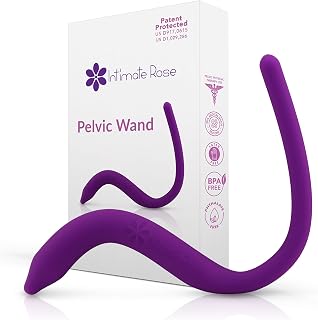
2. Intimate Rose Pelvic Wand
A medical-grade silicone wand designed to release trigger points in the pelvic floor muscles. It is an FDA-listed tool that helps relieve tension, reduce pain with intercourse, and improve muscle function. Includes a guide for at-home use.
Check Price on Amazon

3. Satisfyer Pro 2 Next Generation
A clitoral air-pulse stimulator that uses gentle, pulsating waves rather than direct contact. It is clinically shown to help women with arousal difficulties and anorgasmia, offering a non-invasive way to explore pleasure and increase blood flow.
Check Price on Amazon
The Silent Epidemic: Pelvic Floor Health
Let’s talk about something that makes many women uncomfortable: your pelvic floor. This sling of muscles supports your bladder, uterus, and bowel. It also plays a crucial role in arousal and orgasm. Weak pelvic muscles—often caused by childbirth, aging, or chronic constipation—can lead to urinary incontinence during sex, reduced sensation, and even pain. The good news is that these muscles are trainable at any age.
Kegel exercises are well-known, but they are often done incorrectly. The key is to contract the muscles you would use to stop the flow of urine, hold for three to five seconds, and release completely. Aim for three sets of ten repetitions daily. However, if your pelvic floor is hypertonic (too tight), Kegels can make things worse. In that case, gentle stretching and diaphragmatic breathing are more beneficial. A pelvic floor physical therapist is an invaluable resource if you are experiencing pain or incontinence.
Pain During Intercourse: You Don’t Have to Grin and Bear It
Dyspareunia—the medical term for pain during sex—affects up to 20% of women at some point. Causes range from endometriosis and vulvodynia to simple lack of lubrication. Often, women feel pressured to “push through” the pain to satisfy their partners. This is harmful. Pain is your body’s signal that something is wrong. Ignoring it can lead to a vicious cycle of fear, avoidance, and further tension.
If you experience pain, start by addressing lubrication. A high-quality silicone-based lubricant lasts longer and works well in water. If pain persists, seek medical evaluation. Conditions like endometriosis are underdiagnosed for years because women are told their pain is “normal.” It is not. You deserve care that listens to you.
Products to Enhance Your Sexual Wellness Journey
As we move into practical tools, it is important to remember that sexual wellness products are not about fixing a problem—they are about enhancing an experience that is already yours. The market has exploded with evidence-based options, from lubricants to devices that strengthen the pelvic floor. Here are three products that consistently receive positive reviews from women and healthcare providers alike.