 sarahsumeh@fhmagz.com
 Disclosure: Some links in this article are affiliate links. If you buy something through them, I may earn a small commission at no extra cost to you. As an Amazon Associate, I earn from qualifying purchases. This helps keep our content free. Thank you for your support.
The female body is a masterpiece of cyclical biology, yet we are often handed the same nutrition advice as men and told to make it work. But here is the truth: your nutritional needs shift with your hormones, your life stages, and your unique metabolic fingerprint. From the iron demands of menstruation to the calcium needs of perimenopause, a nutrition diet for women isn’t about restriction—it’s about strategic nourishment. Let’s dive into the evidence-based, empowering way to fuel your body so you can thrive, not just survive.
Why Women’s Nutritional Needs Are Unique
It is not in your head; your body genuinely requires different fuel at different times. While macronutrients (proteins, carbs, fats) are universal, the micronutrient density and timing matter profoundly for female physiology. We are more prone to iron deficiency due to blood loss, we utilize calcium differently as estrogen fluctuates, and our muscle mass responds to protein intake in specific ways that impact longevity. Ignoring these factors can lead to fatigue, brain fog, and hormonal chaos.
The Hormonal Connection to Cravings
Ever wonder why you crave chocolate before your period? It’s not a lack of willpower; it’s a magnesium and serotonin dip. A diet that supports estrogen detoxification—rich in fiber and cruciferous vegetables—can smooth out these peaks and valleys. When we eat to support our hormones, we reduce the intensity of PMS and perimenopausal symptoms.
The Core Pillars of a Woman’s Nutrition Diet
Forget the latest fad. The foundation of a healthy diet for women rests on three pillars: blood sugar stability, iron optimization, and bone density support. When these are in check, energy levels soar, skin clears, and mental clarity returns.
Blood Sugar Stability: The Master Key
Women are significantly more sensitive to blood sugar swings than men, particularly in the luteal phase of the cycle. High insulin levels trigger the ovaries to produce more testosterone, which can worsen PCOS and stubborn belly fat. The fix isn’t eliminating carbs—it’s pairing them with protein and fat. Always ask: “What am I eating this carb with?” This simple habit prevents the energy crash and the 3 PM sugar craving.
Iron: The Energy Spark
Iron deficiency is the most common nutritional deficiency in women worldwide. If you feel exhausted, cold, and experience hair thinning, your iron stores might be low. Heme iron (from animal sources) is absorbed 2-3 times better than non-heme (plant). If you are vegetarian, pair spinach with vitamin C (lemon juice) and avoid drinking tea with meals, as tannins block absorption.
Calcium and Vitamin K2: The Bone Bank
Women lose bone density rapidly after age 35. Calcium alone isn’t enough; you need Vitamin D to absorb it and Vitamin K2 to direct it into the bones (not arteries). This trio is non-negotiable for preventing osteoporosis later in life. Your future self will thank you for prioritizing this now.
Macronutrients: How Much Do You Really Need?
Let’s break down the “Big Three” and how they apply specifically to female metabolism. This is where most women get confused, often under-eating protein and over-eating processed carbs.
Protein: The Satiety Savior
Women need approximately 1.2 to 1.6 grams of protein per kilogram of body weight, especially after age 40. This isn’t just for gym-goers; it’s for maintaining muscle mass, which dictates your metabolic rate. Higher protein intake also increases GLP-1 (the fullness hormone), making it easier to stay in a calorie deficit without feeling starved. Start your day with 30 grams of protein—it changes everything.
Fats: The Hormone Builders
Low-fat diets are harmful to women. Your sex hormones are synthesized from cholesterol and fat. Healthy fats—avocado, olive oil, nuts, and fatty fish—support estrogen production and brain health. Omega-3 fatty acids, specifically EPA and DHA, are powerful anti-inflammatories that reduce period pain and support mood stability.
Carbohydrates: Not the Enemy
Carbs are the primary fuel for the thyroid, which controls your metabolism. The key is choosing complex, fiber-rich sources like sweet potatoes, quinoa, and legumes. These provide steady energy and feed the good bacteria in your gut that help metabolize estrogen. The goal is to eat carbs that don’t spike your glucose—think oats over white bread.
Essential Micronutrients Women Miss
Even with a “perfect” diet, there are specific vitamins and minerals that women chronically miss. These are the silent workhorses of female health.
Magnesium: The Relaxation Mineral
Over 70% of women are deficient in magnesium. It plays a role in over 300 enzymatic reactions, including sleep, muscle relaxation, and cortisol regulation. If you suffer from anxiety, migraines, or restless legs, this is your magic mineral. Supplementing before bed can improve deep sleep quality significantly.
B-Complex Vitamins: The Energy Team
B12 and Folate (B9) are crucial for red blood cell production and neurological function. Many women have a MTHFR gene mutation that makes it hard to convert folic acid into active folate. Look for methylated forms (Methylfolate) to ensure your body can actually use it. This is also vital for anyone planning pregnancy to prevent neural tube defects.
Top Recommended Products for Nutrition Diet
Here are real top-rated products on Amazon that can support your journey:

1. Amazon Basics High Absorption Magnesium Glycinate
This chelated magnesium is gentle on the stomach and highly bioavailable. It supports muscle relaxation, better sleep, and helps curb evening sugar cravings—a must-have for hormonal balance.
Check Price on Amazon
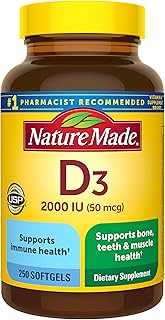
2. Nature Made Vitamin D3 2000 IU Softgels
Essential for calcium absorption and immune health. Most women are deficient, and this high-quality softgel ensures your bones stay strong and your mood stays bright through the darker months.
Check Price on Amazon
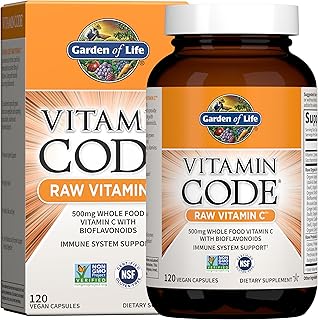
3. Garden of Life Vitamin Code RAW Prenatal
Even if not pregnant, this whole-food multivitamin contains methylated folate and iron. It’s designed for women’s high-absorption needs, supporting energy and hair health without causing nausea.
Check Price on Amazon
Nutrition for Life Stages: From Menstruation to Menopause
Your diet should evolve just as your body does. A one-size-fits-all approach fails because a 25-year-old and a 55-year-old have vastly different endocrine landscapes.
Reproductive Years (20s-40s)
Focus on iron and folate. If you have heavy periods, you lose more iron. Incorporate red meat or fortified legumes 2-3 times a week. Additionally, consider a high-quality prenatal vitamin even if you aren’t trying to conceive—they contain the most bioavailable forms of nutrients for women.
Perimenopause and Menopause (40s-60s)
As estrogen declines, your risk of insulin resistance increases. This is the time to lower refined sugar intake and increase protein to preserve lean mass. Phytoestrogens (found in flax seeds and soy) can act as a gentle buffer, reducing hot flashes for some women. Bone density becomes the priority, so weight-bearing exercise paired with adequate calcium is essential.
The Gut-Brain Axis: Eating for Mental Clarity
Your gut produces 90% of your body’s serotonin—the “happy” hormone. A nutrition diet for women isn’t just about the body; it’s about the mind. Processed foods cause inflammation that crosses the blood-brain barrier, leading to anxiety and depression. Prioritizing fermented foods (kimchi, yogurt, kefir) and prebiotic fiber (garlic, onions, bananas) creates a healthy microbiome that communicates directly with your brain.
Interestingly, the state of your physical health often mirrors your mental state. When you nourish your body with the right nutrients, you are also nurturing your mind. For a deeper dive into supporting your emotional resilience through lifestyle choices, explore our guide on Nurturing Your Mind: A Woman’s Guide to Mental Wellness. This resource pairs perfectly with your dietary changes to create a holistic sense of well-being.
Practical Meal Timing and Hydration
When you eat matters almost as much as what you eat. Intermittent fasting can be beneficial for some women, but prolonged fasting can actually backfire by increasing cortisol and disrupting sleep hormones. A safer approach is the 12-hour overnight fast (finish dinner by 7 PM, eat breakfast at 7 AM). This gives your digestive system rest without stressing your adrenals.
Hydration Strategies
Water is non-negotiable, but women often need electrolytes, not just water. Sodium, potassium, and magnesium are lost through sweat and normal metabolic processes. Add a pinch of sea salt to your water or drink coconut water to maintain cellular hydration. Dehydration is often mistaken for hunger, leading to unnecessary snacking.
Top Supplements to Fill the Gaps
While food is the primary source, modern soil depletion means we can’t always get everything from our plates. Here are the three most impactful, science-backed supplements you can find on Amazon to support your nutrition diet journey. These are my top recommendations for bridging the nutritional gap.