 sarahsumeh@fhmagz.com
 Disclosure: Some links in this article are affiliate links. If you purchase through these links, I may earn a small commission at no extra cost to you. Thank you for supporting this content.
You’ve stepped on the scale, and the number stares back at you, but it doesn’t tell the whole story. Fitness weight isn’t about shrinking—it’s about thriving in your own skin, building strength that lasts through every season of life. For women, the journey to a healthy weight is deeply personal, influenced by hormones, metabolism, and the unique demands of our bodies. Let’s explore how to redefine fitness weight as a measure of vitality, not just pounds.
What Fitness Weight Really Means for Women
Fitness weight isn’t a single number on a chart—it’s a range where your body functions optimally, feels energized, and supports your daily activities. For women, this concept is often muddied by societal pressures and quick-fix diets. Instead of chasing a target weight, think of it as the weight at which you can move freely, sleep well, and maintain stable energy levels. Research shows that a healthy body composition—more muscle, less excess fat—is a better predictor of long-term health than BMI alone. When you focus on fitness, weight becomes a secondary outcome, not the primary goal.
Your body’s ideal fitness weight shifts with age, activity level, and hormonal changes. During perimenopause and menopause, for example, estrogen decline can lead to increased fat storage around the midsection. This isn’t a failure—it’s biology. The key is to adapt your approach, prioritizing strength training and balanced nutrition over restriction. By understanding your body’s signals, you can find a weight that feels sustainable and empowering.
The Hormone Connection: Why Weight Management Is Unique for Women
Hormones are the silent architects of your metabolism, and they play a starring role in determining your fitness weight. Cortisol, insulin, estrogen, and thyroid hormones all interact to influence how your body stores fat and builds muscle. Chronic stress, for instance, elevates cortisol, which can encourage belly fat and cravings for sugary foods. Similarly, insulin resistance—common in conditions like PCOS—makes it harder to lose weight, even with exercise.
That’s why a one-size-fits-all weight loss plan often fails women. Instead, addressing the root cause—hormonal imbalance—can transform your results. For a deeper dive into how hormones shape your health, explore Your Complete Guide to Hormone Balance for Women. This resource offers practical steps to support your endocrine system, from sleep hygiene to targeted supplements. When your hormones are in harmony, reaching a healthy fitness weight becomes less of a struggle and more of a natural outcome.
How Thyroid Health Impacts Your Weight
The thyroid gland regulates your metabolic rate, and even a slight underactivity can lead to weight gain, fatigue, and cold sensitivity. Women are five to eight times more likely than men to develop thyroid disorders, especially after pregnancy or during menopause. If you’re exercising and eating well but the scale won’t budge, a simple blood test for TSH, T3, and T4 can provide answers. Supporting thyroid function with adequate iodine, selenium, and zinc—found in foods like Brazil nuts and seafood—can help restore balance.
Top Recommended Products for Fitness Weight
Here are real top-rated products on Amazon that can support your journey:
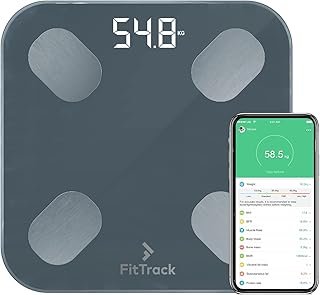
1. FitTrack Dara Smart BMI Digital Scale
This scale measures not just weight but body fat, muscle mass, and bone density, giving you a full picture of your fitness weight. Syncs with apps to track progress.
Check Price on Amazon
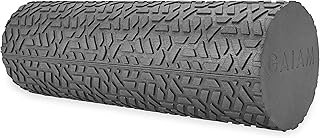
2. Gaiam Restore Soft Foam Roller
Essential for muscle recovery after strength training. This foam roller helps release tension, improve flexibility, and reduce soreness, supporting your fitness routine.
Check Price on Amazon
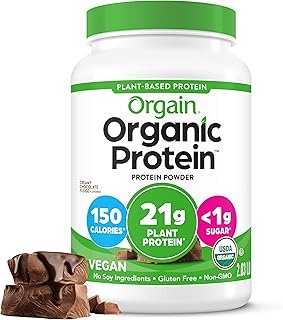
3. Orgain Organic Plant Based Protein Powder
A clean, vegan protein source to support muscle repair and satiety. Perfect for post-workout shakes, with 21 grams of protein per serving and no artificial additives.
Check Price on Amazon
Strength Training: The Non-Negotiable for Women’s Fitness Weight
Cardio has its place, but strength training is the secret weapon for women aiming for a healthy fitness weight. Muscle tissue burns more calories at rest than fat, meaning the more lean muscle you have, the higher your resting metabolic rate. Additionally, lifting weights improves bone density—a critical factor as estrogen declines with age, reducing osteoporosis risk. You don’t need to become a bodybuilder; two to three sessions per week of resistance training, using dumbbells, bands, or bodyweight, can yield significant results.
Compound exercises like squats, deadlifts, and push-ups engage multiple muscle groups, maximizing efficiency. Start with light weights and focus on form, gradually increasing resistance. Many women worry about “bulking up,” but due to lower testosterone levels, building bulky muscle is unlikely. Instead, you’ll develop a toned, strong physique that supports your metabolism and enhances your daily life—from carrying groceries to playing with your kids.
Incorporating Cardio Without Overdoing It
While strength training builds muscle, moderate cardio supports heart health and calorie expenditure. The key is balance: excessive cardio can elevate cortisol, especially in women, leading to muscle loss and hormonal disruption. Aim for 150 minutes of moderate-intensity activity per week, such as brisk walking, cycling, or swimming. High-intensity interval training (HIIT) is effective but should be limited to two sessions weekly to avoid overtraining. Listen to your body—if you feel exhausted or notice irregular cycles, dial back the intensity.
Nutrition for Sustainable Weight Management
What you eat directly impacts your fitness weight, but restrictive diets often backfire by slowing your metabolism and triggering binge cycles. Instead, focus on whole, nutrient-dense foods that support hormonal health and satiety. Protein is particularly important for women—aim for 20-30 grams per meal to maintain muscle mass and stabilize blood sugar. Sources like lean chicken, eggs, tofu, and legumes are excellent choices.
Healthy fats, from avocados, nuts, and olive oil, are essential for hormone production, including estrogen and progesterone. Don’t fear them—fats help you absorb fat-soluble vitamins A, D, E, and K. Carbohydrates, especially complex ones like oats, quinoa, and sweet potatoes, provide sustained energy for workouts. The goal is a balanced plate: half vegetables, a quarter protein, and a quarter carbs, with a thumb-sized portion of fat. This approach prevents deprivation while supporting your fitness goals.