 sarahsumeh@fhmagz.com
 Disclosure: Some links in this article are affiliate links that may earn a small commission at no extra cost to you. I only recommend products I trust for women’s health.
You wake up tired, your mood swings feel like a rollercoaster, and your skin breaks out like a teenager’s—but you’re not alone. Hormonal imbalance affects millions of women, often silently stealing energy, sleep, and joy. The good news? You can restore harmony naturally.
What Is Hormone Balance and Why Does It Matter?
Hormones are your body’s chemical messengers, orchestrating everything from metabolism and mood to reproduction and sleep. For women, the delicate dance between estrogen, progesterone, testosterone, cortisol, and thyroid hormones determines how you feel day to day. When these signals get scrambled—due to stress, diet, age, or environmental toxins—symptoms like fatigue, weight gain, brain fog, and irregular cycles emerge.
Achieving hormone balance isn’t about perfection; it’s about supporting your body’s natural rhythms. Small, consistent changes can reset your endocrine system and restore vitality. This guide walks you through the science, lifestyle shifts, and trusted products that empower you to take control.
The Key Hormones Affecting Women’s Health
- Estrogen: Regulates the menstrual cycle, bone density, and skin health. Excess or deficiency can cause bloating, heavy periods, or hot flashes.
- Progesterone: Calms the nervous system and supports sleep. Low levels often trigger anxiety, insomnia, and PMS.
- Cortisol: The stress hormone. Chronic elevation disrupts sleep, increases belly fat, and suppresses reproductive hormones.
- Thyroid hormones (T3 and T4): Control metabolism. Imbalance leads to weight changes, hair loss, and fatigue.
- Testosterone: Supports libido, muscle mass, and energy. Declines with age but can be optimized naturally.
Common Signs You Might Have a Hormonal Imbalance
Your body sends clear signals when hormones are out of sync. Recognizing these signs is the first step toward healing:
- Unexplained weight gain, especially around the abdomen
- Chronic fatigue that doesn’t improve with rest
- Irregular, painful, or heavy periods
- Mood swings, irritability, or depression
- Brain fog and poor concentration
- Low libido or vaginal dryness
- Hair thinning or excessive facial hair
- Insomnia or restless sleep
- Hot flashes or night sweats (even in perimenopause)
If you resonate with several of these, your hormones may need support. The earlier you act, the easier it is to restore balance naturally.
Natural Strategies to Restore Hormone Balance
You don’t need prescription drugs to feel better. Evidence-based lifestyle changes can profoundly influence your hormonal health. Below are the most effective, research-backed approaches.
1. Prioritize Blood Sugar Stability
Blood sugar spikes trigger insulin surges, which disrupt estrogen and progesterone balance. Over time, this leads to insulin resistance—a root cause of PCOS and weight gain. To stabilize blood sugar:
- Eat protein with every meal (eggs, fish, legumes)
- Pair carbs with healthy fats (avocado, nuts, olive oil)
- Avoid sugary drinks and refined carbs
- Consider intermittent fasting (12–14 hour overnight fasts)
2. Manage Stress Like Your Hormones Depend on It
Chronic stress elevates cortisol, which steals precursors needed for progesterone production. This creates a cascade of imbalances. For a deeper dive into stress relief and natural remedies, explore our guide on Natural Remedies for Women: Hormone Balance, Stress Relief and Vitality. Key stress-busting practices:
- Morning sunlight exposure (10–15 minutes)
- Deep breathing or box breathing (4-4-4-4 pattern)
- Regular movement like walking or yoga
- Limit caffeine after 2 PM
3. Support Your Liver and Gut
The liver detoxifies excess hormones, while the gut eliminates them. When either is sluggish, hormones recirculate and cause imbalance. Support detox with:
- Cruciferous vegetables (broccoli, kale, Brussels sprouts)
- Fiber-rich foods (flaxseeds, chia seeds, oats)
- Probiotic foods (sauerkraut, kimchi, yogurt)
- Hydration (half your body weight in ounces of water)
4. Optimize Sleep for Hormonal Repair
Sleep is when your body produces melatonin, repairs tissues, and balances cortisol. Poor sleep directly lowers progesterone and increases ghrelin (hunger hormone). Tips for better sleep:
- Go to bed by 10 PM (align with your circadian rhythm)
- Keep your room dark and cool (65–68°F)
- Avoid screens 60 minutes before bed
- Use magnesium glycinate or chamomile tea
Top Recommended Products for Hormone Balance
Here are real top-rated products on Amazon that can support your journey:
1. 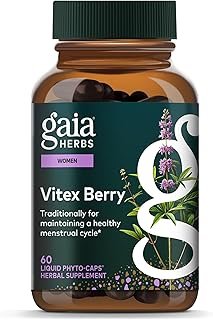
Vitex Chasteberry Supplement for Women
Vitex Chasteberry Supplement for Women on Amazon →
Vitex is a well-researched herb that supports progesterone production, helping to regulate cycles and ease PMS symptoms. Many women report fewer mood swings and lighter periods within two months.
2. 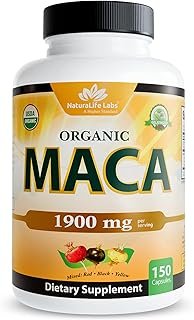
Maca Root Capsules Organic
Organic Maca Root Capsules on Amazon →
Maca is an adaptogen that balances estrogen and cortisol, boosting energy, libido, and stress resilience. It’s a gentle, food-based supplement ideal for daily use.
3. 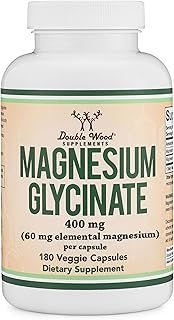
Magnesium Glycinate Sleep Support
Magnesium Glycinate for Sleep and Relaxation on Amazon →
Magnesium glycinate lowers cortisol, improves sleep quality, and supports progesterone production. It’s highly absorbable and gentle on the stomach.
These products are affordable, well-reviewed, and can be a supportive addition to your hormone-balancing routine. Always consult your healthcare provider before starting new supplements.
Nutrition for Hormone Harmony
Food is medicine, especially for your endocrine system. A hormone-supportive diet focuses on whole, nutrient-dense foods that reduce inflammation and provide building blocks for hormone production.
Foods to Eat More Of
- Healthy fats: Avocado, coconut oil, olive oil, fatty fish (salmon, sardines)
- Protein: Grass-fed beef, pasture-raised eggs, wild-caught fish, plant proteins
- Fiber: Flaxseeds, chia seeds, berries, leafy greens
- Zinc-rich foods: Pumpkin seeds, oysters, chickpeas (supports progesterone)
- B vitamins: Leafy greens, legumes, nutritional yeast (liver detox support)
Foods to Avoid or Limit
- Refined sugar and artificial sweeteners
- Industrial seed oils (canola, soybean, corn oil)
- Excessive alcohol (impairs liver detoxification)
- Processed foods with preservatives and additives
- Conventional dairy and meat with hormones/antibiotics
Exercise That Balances—Not Stresses—Your Hormones
Movement is essential, but the wrong type can spike cortisol and worsen imbalance. The goal is to choose exercise that supports your cycle and stress levels.
- Low-intensity cardio: Walking, swimming, cycling (30–45 minutes, 4–5 times per week)
- Strength training: Lifting weights 2–3 times per week boosts testosterone and metabolism
- Yoga and Pilates: Reduces cortisol and improves body awareness
- Avoid: Excessive HIIT or long-distance running, especially during luteal phase (week before period)
Listen to your body. On low-energy days, prioritize restorative movement. On high-energy days, challenge yourself with strength or interval work.
Hormone Balance Through the Decades
Your hormonal needs change with age. What works at 25 may not work at 45. Tailoring your approach ensures sustained vitality.
In Your 20s and 30s
Focus on cycle regulation, stress management, and fertility support. Address PMS, irregular periods, and acne early. Natural Remedies for Women: Hormone Balance, Stress Relief and Vitality offers targeted strategies for this life stage.
In Your 40s and 50s
Perimenopause and menopause bring declining progesterone and fluctuating estrogen. Prioritize sleep, bone health, and heart health. Consider adaptogens like ashwagandha and maca. For a comprehensive approach to aging with grace, read Healthy Aging for Women: Vitality, Hormones and Longevity.
Beyond 50
Focus on maintaining muscle mass, cognitive function, and cardiovascular health. Hormone replacement therapy (HRT) may be an option for some—discuss with your doctor. Diet and exercise remain foundational.
When to See a Doctor
While natural strategies are powerful, some imbalances require medical attention. Consult a healthcare provider if you experience:
- Severe or worsening symptoms despite lifestyle changes
- Unexplained weight loss or gain
- Heavy bleeding or periods lasting more than 7 days
- Sudden hair loss or vision changes
- Persistent depression or anxiety
A functional medicine doctor or endocrinologist can run comprehensive hormone panels (saliva, blood, or urine) to identify specific imbalances and tailor treatment.
Your Hormone Balance Action Plan
Restoring balance doesn’t require an overhaul overnight. Start with these small, sustainable steps:
- Week 1: Add protein to breakfast and reduce sugar
- Week 2: Walk 20 minutes daily and practice 5 minutes of deep breathing
- Week 3: Introduce one supplement (e.g., magnesium or Vitex)
- Week 4: Optimize sleep routine—no screens after 9 PM
- Ongoing: Track your cycle and symptoms to notice patterns
Remember, hormone balance is a journey, not a destination. Be patient with your body, celebrate small wins, and trust that you are capable of healing. You deserve to feel vibrant, calm, and energized in every season of life.