 sarahsumeh@fhmagz.com
 Disclosure: Some links in this article are affiliate links. If you purchase through these links, I may earn a small commission at no extra cost to you. All opinions are my own.
Imagine stepping onto the scale and feeling a wave of confusion rather than clarity. The number stares back at you, but it tells you nothing about your muscle tone, your energy levels, or how your favorite jeans fit. For women, the concept of fitness weight is not about a single number—it’s about finding the balance where your body feels strong, your mind feels clear, and your health thrives. This article will guide you through what fitness weight truly means, how to achieve it safely, and why it’s the most empowering goal you can set.
Why Fitness Weight Matters More Than a Number
For decades, women have been sold the idea that a lower number on the scale equals better health. But research tells a different story. Your fitness weight is the weight at which your body functions optimally—where you have enough muscle to support your metabolism, enough energy to power through your day, and a body composition that reduces your risk of chronic disease. According to the American Council on Exercise, focusing on body composition rather than total weight is a far better predictor of health outcomes for women. This shift in perspective is liberating because it moves the focus from restriction to nourishment and strength.
When you pursue fitness weight, you are not dieting. You are building a lifestyle that honors your unique biology. Women’s bodies naturally carry more essential fat than men’s, and hormonal fluctuations throughout the menstrual cycle, pregnancy, and menopause affect weight and water retention. Understanding these nuances helps you stop fighting your body and start working with it. The goal is not to shrink but to strengthen.
The Science Behind Body Composition and Metabolism
Your body is composed of lean mass (muscle, bone, organs) and fat mass. Muscle is metabolically active, meaning it burns more calories at rest than fat does. This is why two women can weigh the same but have completely different health profiles. The woman with higher muscle mass will have a faster metabolism, better insulin sensitivity, and greater functional strength. A study published in the Journal of Applied Physiology found that resistance training increases resting metabolic rate by up to 7%, which can translate to burning an extra 100–200 calories per day without changing your diet.
For women, preserving muscle becomes especially important after age 30, when we naturally begin losing 3–5% of muscle mass per decade. This loss, known as sarcopenia, slows metabolism and increases the risk of falls and fractures. Prioritizing fitness weight means actively combating this decline through strength training and adequate protein intake. It’s not about getting bulky—it’s about staying functional and vibrant at every age.
How to Find Your Ideal Fitness Weight
Your ideal fitness weight is personal. It depends on your height, bone structure, muscle mass, age, and activity level. Instead of chasing a generic BMI number, use these evidence-based markers to gauge your progress.
Body Fat Percentage as a Guide
For women, a healthy body fat percentage ranges from 21–33% depending on age and fitness level. Athletes often fall between 14–20%, while women over 40 may have slightly higher ranges. You can measure body fat using calipers, bioelectrical impedance scales, or DEXA scans. The key is consistency—measure under the same conditions each time. If your body fat is within a healthy range and you feel strong, your fitness weight is likely where it should be.
Waist-to-Hip Ratio and Circumference
Where you carry weight matters more than how much you weigh. Excess abdominal fat, known as visceral fat, is linked to higher risks of heart disease, diabetes, and inflammation. A waist-to-hip ratio of 0.85 or lower is considered healthy for women. Measure your waist at the narrowest point and your hips at the widest. If your ratio is within range, you are likely protecting your metabolic health, even if the scale hasn’t budged.
Energy Levels and Performance Metrics
Your body tells you when it’s at its fitness weight. You should wake up feeling rested, have consistent energy throughout the day, and perform well in your workouts. If you can lift progressively heavier weights, run a mile without gasping, or complete a yoga class with ease, your body is functioning well. Track how your clothes fit, how your mood stabilizes, and how your sleep improves. These are better indicators than any scale.
Top Recommended Products for Fitness Weight
Here are real top-rated products on Amazon that can support your journey:

1. Fitbit Inspire 3 Health & Fitness Tracker
Monitors heart rate, sleep, and activity levels to help you stay consistent with your fitness weight goals.
Check Price on Amazon
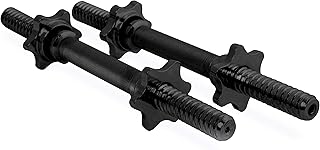
2. CAP Barbell 40-Pound Adjustable Dumbbell Set
Perfect for home strength training, allowing you to progressively overload and build lean muscle.
Check Price on Amazon

3. Gaiam Restore Yoga Mat with Alignment Lines
Provides cushioning and stability for yoga, stretching, and core work essential for balanced fitness.
Check Price on Amazon
Practical Steps to Achieve Fitness Weight
Reaching your fitness weight requires a combination of strength training, balanced nutrition, and recovery. Here’s how to build a sustainable routine that works for your life.
Strength Training: The Foundation of Fitness Weight
Resistance training is non-negotiable for women who want to improve body composition. Aim for at least two to three strength sessions per week, focusing on compound movements like squats, deadlifts, push-ups, and rows. These exercises recruit multiple muscle groups, boosting your metabolism and building functional strength. Start with bodyweight exercises if you are new, then progress to dumbbells, kettlebells, or resistance bands. Progressive overload—gradually increasing weight or reps—is the key to continued progress.
For more guidance on holistic wellness, explore our article on Natural Remedies for Women: Holistic Wellness Solutions. It complements your fitness journey by addressing stress, sleep, and hormonal balance.
Nutrition That Supports Muscle and Metabolism
To build muscle, you need protein. The recommended intake for active women is 1.2 to 2.0 grams of protein per kilogram of body weight daily. Include lean sources like chicken, fish, eggs, tofu, and legumes. Carbohydrates are your fuel—don’t fear them. Whole grains, fruits, and vegetables provide energy for workouts and recovery. Healthy fats from avocados, nuts, and olive oil support hormone production and joint health. Avoid extreme calorie restriction, which can slow metabolism and increase cortisol, leading to stubborn belly fat.
The Role of Sleep and Stress Management
Cortisol, the stress hormone, can sabotage your fitness weight goals. Chronic stress and poor sleep increase cortisol, which promotes fat storage, especially in the abdomen. Aim for seven to nine hours of quality sleep per night and incorporate stress-reducing practices like meditation, deep breathing, or gentle yoga. Your body repairs and builds muscle during rest, so recovery days are just as important as workout days.
Tools and Products to Support Your Journey
Having the right equipment can make your fitness weight journey more effective and enjoyable. Here are three real products available on Amazon that can help you build strength and track progress.